
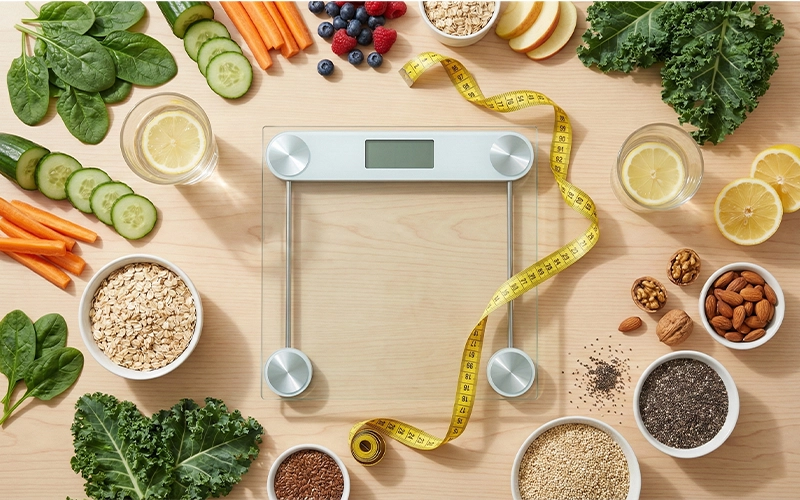
Sustainable Weight Loss Through Nutrition
Sustainable weight loss is rooted in long-term lifestyle habits rather than short-term dieting or extreme restrictions. Many people try fad diets or rapid weight-loss plans, only to regain the weight because these methods do not address the body’s natural metabolic needs. Sustainable nutrition focuses on nourishing the body with balanced meals that promote satiety, stabilize blood sugar, and maintain consistent energy levels throughout the day. Instead of concentrating on what to remove, a sustainable approach emphasizes what to add-whole foods, fiber-rich fruits and vegetables, lean proteins, and healthy fats. These foods support metabolic health, improve digestion, and prevent overeating by promoting natural fullness.
A key component of sustainable weight loss is understanding the role of macronutrients and how they affect the body. Protein maintains muscle mass, keeps you full longer, and boosts metabolism because the body burns more calories digesting it. Complex carbohydrates like whole grains, legumes, and vegetables digest slowly, preventing blood sugar spikes and mid-day cravings. Healthy fats such as nuts, seeds, olive oil, and avocados contribute to hormone balance, nutrient absorption, and brain function. Together, these macronutrients help maintain a steady metabolic rate, reduce cravings, and keep energy stable. When meals include the right proportions of these nutrients, the body naturally shifts toward fat-burning mode instead of fat-storing mode.
Mindful eating is another vital principle of sustainable nutrition. Eating too quickly, eating while distracted, or ignoring hunger cues often leads to overeating. Practicing mindful eating-chewing slowly, savoring each bite, and paying attention to hunger and fullness signals-improves digestion and reduces calorie intake without feeling deprived. Hydration also plays a significant role; drinking enough water throughout the day supports metabolism, reduces unnecessary snacking, and helps maintain energy levels. Incorporating fiber-rich foods such as vegetables, fruits, seeds, and whole grains supports digestive health by promoting regular bowel movements and feeding the gut microbiome. A healthy gut directly influences metabolism, immunity, and even mood, making fiber a powerful tool for sustainable weight loss.
Sustainable weight loss also thrives on consistency rather than perfection. Small, gradual changes create long-lasting results-like choosing home-cooked meals most days, adding one serving of vegetables to each meal, or replacing sugary beverages with water or infused drinks. Regular movement amplifies the impact of nutrition, whether through walking, strength training, yoga, or simple home workouts. Physical activity boosts metabolism, builds lean muscle, and enhances mood, helping individuals stay motivated. Instead of aiming for quick fixes, sustainable nutrition encourages a balanced lifestyle-one that allows enjoyment of favorite foods in moderation while prioritizing whole, nourishing choices. When these habits are practiced consistently, they lead to steady weight loss, improved overall health, and a more positive relationship with food. Sustainable nutrition is not a temporary diet-it is a holistic lifestyle shift that supports long-term health, energy, and well-being.